
Adhesives used in food packaging can be subject to as much scrutiny as the packaging itself. In this guide, we cover FDA compliant adhesives through the questions manufacturers commonly face.
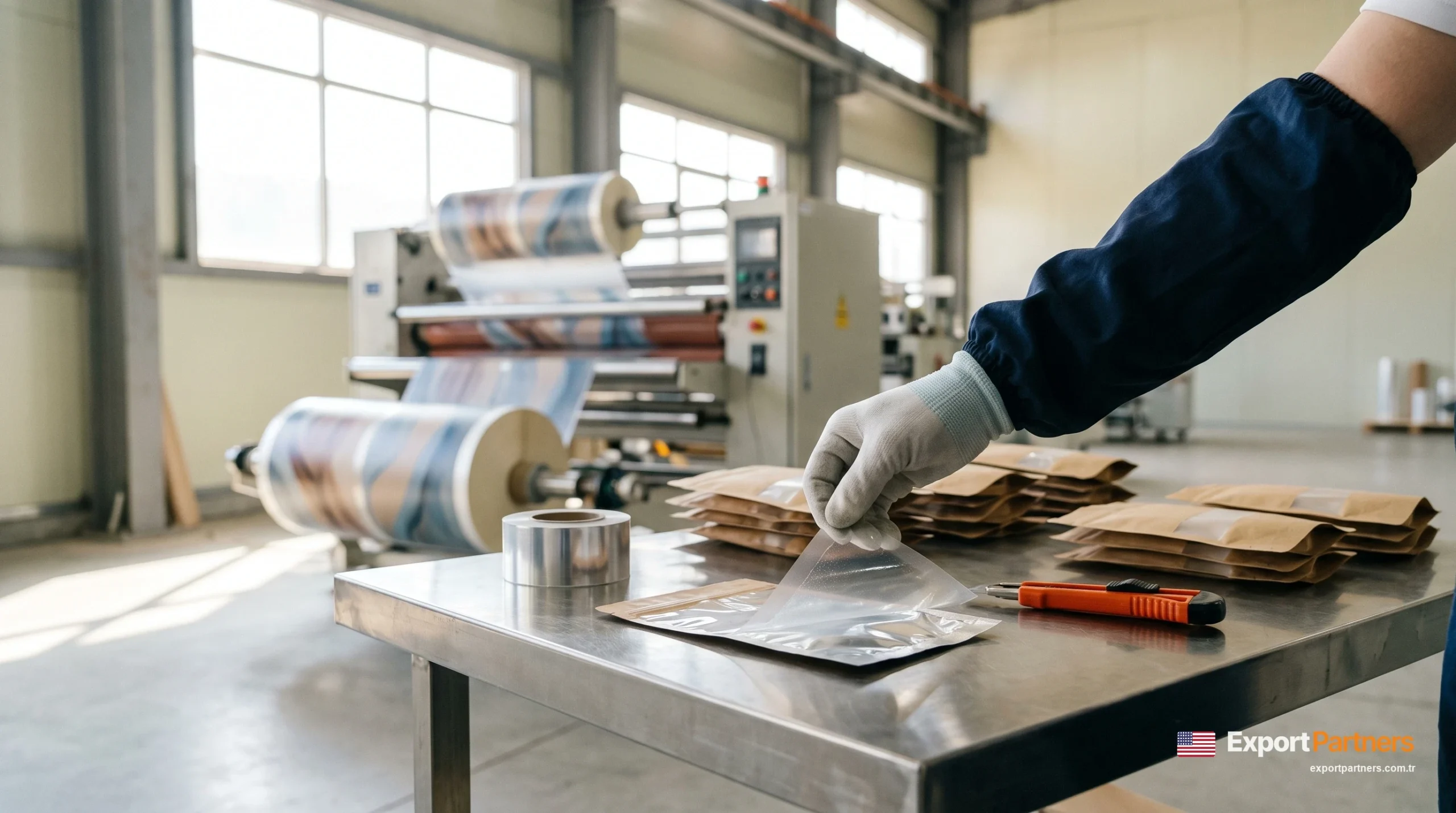
Packaging materials used in the food industry are not limited to plastic, cardboard or glass. The adhesives used to produce this packaging also matter, because they can come into direct or indirect contact with food. PVAc, polyurethane, hot melt and solvent-based adhesives in particular are widely used in food packaging.
In markets with strict regulations such as the U.S., every component that contacts food is expected to meet FDA compliance requirements. For this reason, adhesive manufacturers need to build customer trust not only through product quality but also through FDA compliance documentation.

FDA Compliant Adhesives in Food Packaging and Their Types
PVAc (Polyvinyl Acetate Adhesives)
- The most widely used adhesive type in paper and cardboard packaging.
- Falls under the indirect food contact adhesives class within FDA 175.105.
- Found in the structure of many products, from baby food boxes to cereal packaging.
Polyurethane Adhesives
- Frequently used in flexible packaging (for example vacuum food bags and milk pouches).
- Provides high durability and is evaluated under FDA 176.170 in structures that may contact fatty foods.

Hot Melt Adhesives
- Preferred on high-speed production lines.
- Widely used in cardboard boxes for dry foods (biscuits, pasta, breakfast cereals).
- Regulated under FDA 176.180 in packaging that may come into direct contact with dry food.
Solvent-Based Adhesives
- Mostly preferred in labeling and specialty packaging applications.
- Because they are flammable, their use is limited by specific regulations covering both workplace safety and food safety.
- Falls under the indirect contact category in line with FDA 175.105.
FDA Regulations: Why Do They Matter to Adhesive Manufacturers?
The FDA regulates adhesives that contact food under the CFR (Code of Federal Regulations):
- 175.105 → Adhesives with indirect food contact
- 176.170 → Packaging materials in direct contact with fatty and aqueous foods
- 176.180 → Packaging materials in direct contact with dry foods
Compliance with these regulations is an important requirement not only for food companies exporting to the U.S. but also for the adhesive manufacturers that supply them. Global food brands typically ask their suppliers for FDA compliance and often carry out audits. You can also read our article FDA Label and Customs Service Guide: Frozen Food Exports to the U.S., which covers this topic in detail.
Customer Audits and Audit Processes
Many global food brands audit their suppliers on site. These audits usually request:
- Product formulations
- Ingredient list
- FDA compliance reports
- Safety test results
are requested. Missing documents may cause the manufacturer to lose customers.
Our Services
At Export Partners, we offer FDA compliance services tailored to adhesive manufacturers. Our services include:
- Product-level FDA regulatory analysis (175.105, 176.170, 176.180)
- Formulation and ingredient review
- Technical files and preparation of compliance reports
- Documentation support for FDA submissions
- Pre-audit preparation and audit support
- Preparation of the compliance documents your food manufacturer customers request
Advantages for Manufacturers
- Retain Your Customers: Respond quickly to the FDA requests of your customers in the food industry.
- Be Ready for Audits: Your documents are complete and professionally prepared.
- Enter the U.S. Market: With FDA compliance documents, you can export directly.
- Stand Out from Competitors: FDA compliance can help you stand out in the global market.
Frequently Asked Questions:
1. What Is FDA Registration?
FDA registration is a mandatory official registration process for food and cosmetic manufacturing facilities that want to export to the U.S. We covered the topic in detail in our article FDA Registration, GMP Compliance and the Customs Process for Exporting Vegetable Oil to the U.S..
- For example: a food factory in your country must complete Food Facility Registration in the FDA system before shipping its products to the United States.
- The registration is renewed on a regular basis, and a U.S. Agent must be maintained in the U.S.
2. What is FDA Compliance?
FDA compliance applies to sectors that come into contact with food but are not required to register directly with the FDA.
- For example: packaging, adhesives, hot melts, solvents, polyurethane coatings.
- These products are not registered with the FDA, but the product formulation must comply with the FDA's CFR regulations (175.105, 176.170, 176.180).
- Compliance test reports and declarations are provided to customers.
3. Which companies need FDA registration, and which need FDA compliance?
- FDA Registration: Food manufacturers, beverage companies, cosmetic manufacturers.
- FDA Compliance: Manufacturers of food-contact packaging, adhesives and related supplier industries.
4. Can I obtain an FDA certificate?
No. The FDA does not issue certificates directly. FDA registration is completed for facilities, while compliance is documented through product testing and conformity reports.
5. Which documents are required in a customer audit?
- For food manufacturers: FDA registration number, facility details.
- For packaging / adhesive manufacturers: Ingredient list, formulation compliance report, FDA regulation references.
6. Which types of adhesives does FDA compliance cover?
PVA.c, hot melt, polyurethane and all solvent-based adhesive types.
7. Who is the FDA compliance service suitable for?
It is suitable for chemical companies that produce packaging adhesives and for their customers in the food sector.

