U.S., Canada and Germany Customs Processes: IOR, Bond and Compliance

Customs service means handling importer registration, the bond, the entry declaration and product regulation steps from a single point when a product enters the destination country. Export Partners is a team that runs these steps for the U.S., Canada and Germany on the same timeline.
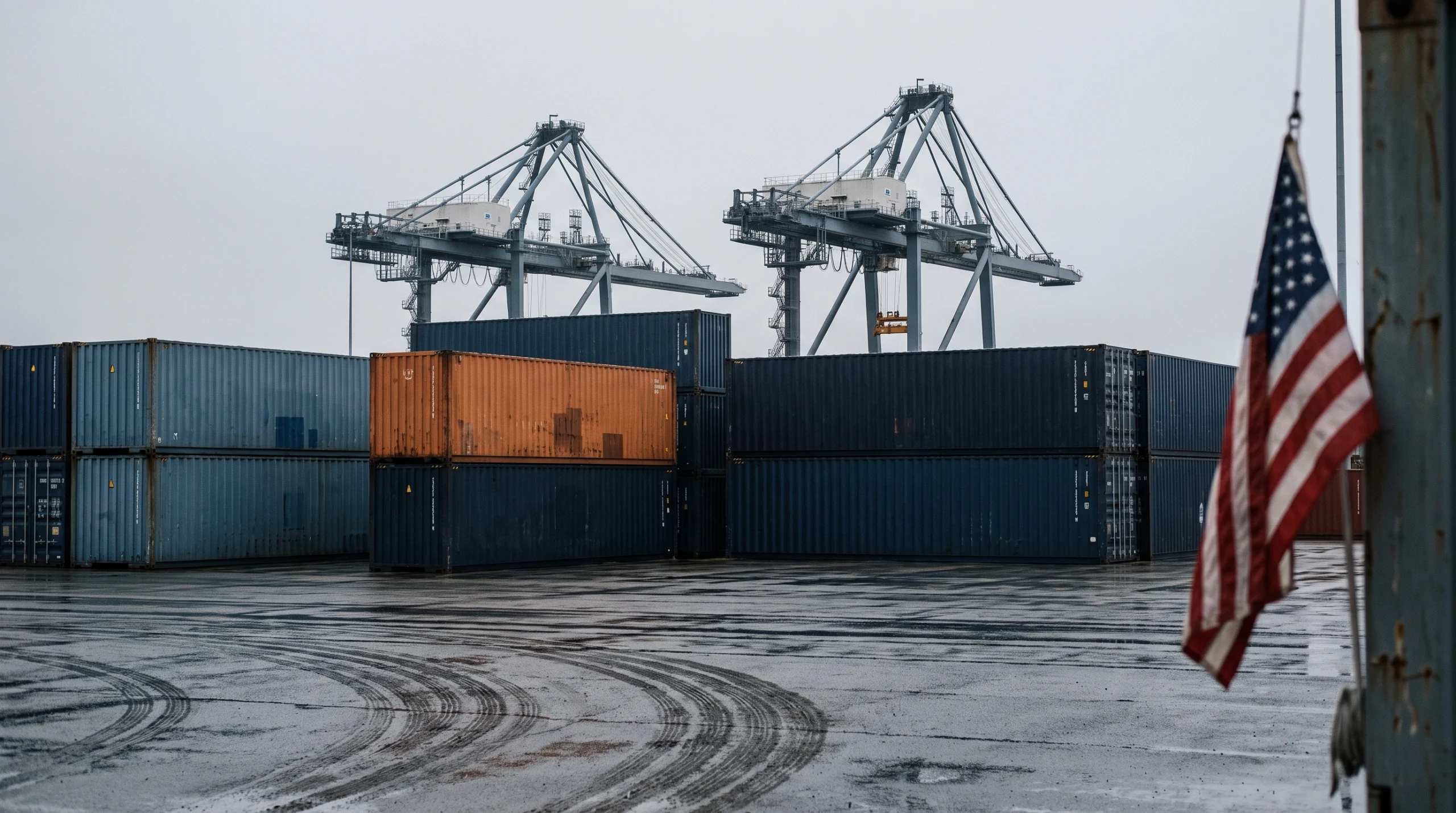
Stacked containers and cranes at a container terminal in the U.S., a port where customs entry is processed

Which steps run together in the customs process

In the U.S., Canada and Germany, regulatory compliance matters as much as selling the product. FDA registration, label format, ingredient declaration, hazardous material classification, customs duty calculation, DDP shipment organization and the documents the marketplace requires are separate steps. When one step is missing, a shipment may be held at customs, and delays can also occur on the listing side. Export Partners brings these steps together in a single file and tracks their sequence.

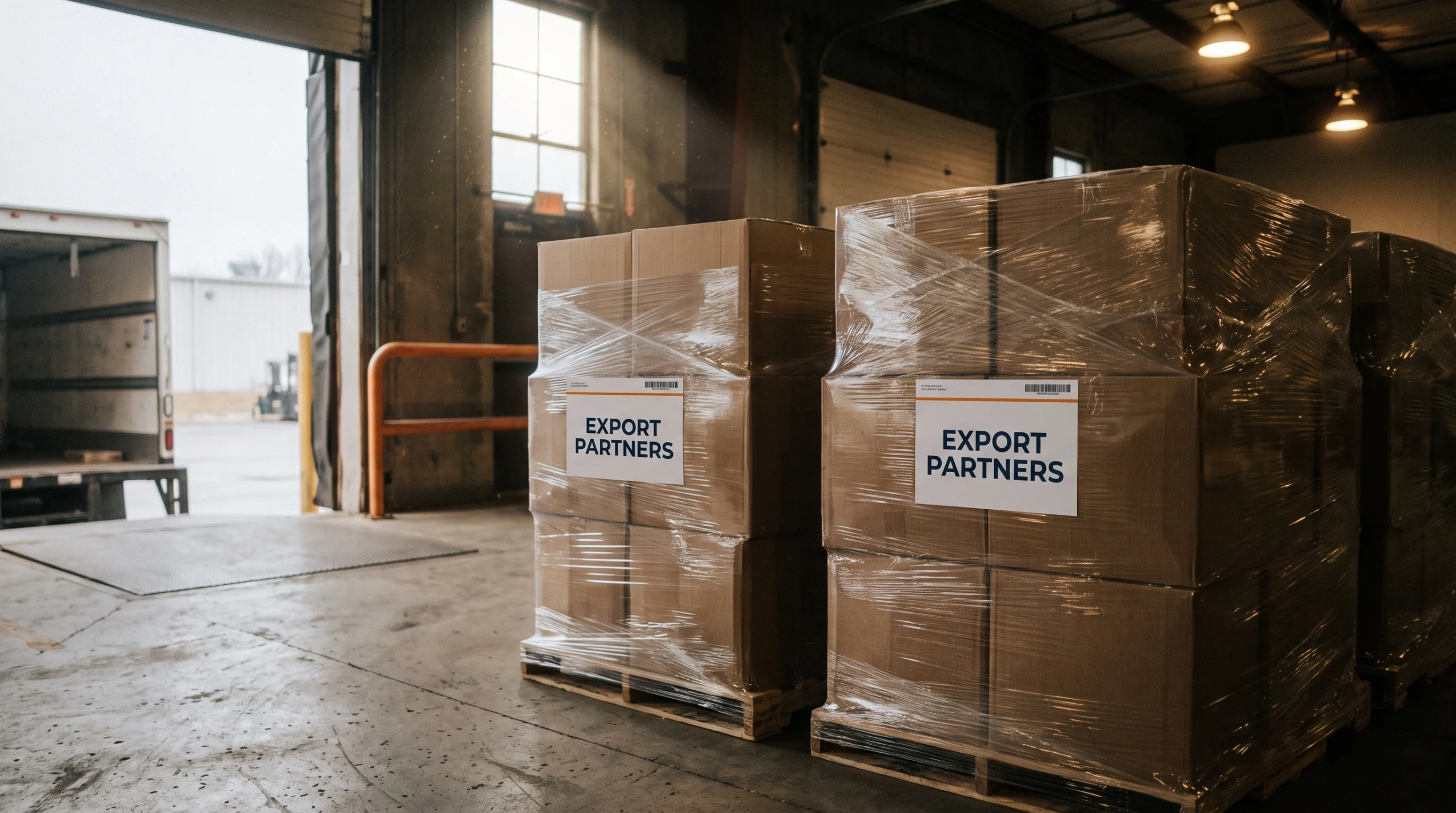
Stretch-wrapped pallets of Export Partners labeled boxes on a warehouse receiving dock, with shipping documents beside them

Food and supplements: U.S. and Canada compliance

The competent agencies of the two countries and the registrations they require are separate; two separate files are run for the same product.

U.S.: FDA facility registration

The food facility registers with the FDA. Registration is renewed every two years, between October 1 and December 31 of even-numbered years; a registration that is not renewed becomes inactive.

U.S.: US Agent

A facility exporting from outside the U.S. has a representative in the U.S. Agency notices are sent to this contact.

U.S.: label compliance

Ingredients, allergen declaration, net quantity and country of origin are prepared according to the FDA format. For details, see our U.S. labeling rules article.

Canada: CFIA and Health Canada

In Canada, the regulations of these two agencies apply instead of the FDA. Under the Safe Food for Canadians framework, the importer must be licensed.

Canada: bilingual labeling

Labels are prepared in English and French; allergen, ingredient, net weight and origin information appears in both.

Marketplace documents

Amazon may ask the seller for the label, ingredient list and registration details. Having the file ready from the start can shorten the review time.
Cosmetics: MoCRA and Health Canada

On the cosmetics side, the U.S. framework changed after 2023. What used to be a voluntary notification now runs as mandatory facility registration and product listing.

Facility registration, U.S.

Under MoCRA, a facility that manufactures or processes cosmetics registers with the FDA.

Product listing, U.S.

Each cosmetic product is listed with the FDA individually. The former voluntary program (VCRP) has closed and was replaced by this listing.

Product notification, Canada

Notification is filed in the Health Canada database through the Cosmetic Notification Form.

Label and ingredient review

The INCI-compliant ingredient list, claims, warnings and directions for use are reviewed.

Hazmat products: shipping and customs clearance run separately

For perfumes, deodorants, sprays and cosmetics containing volatile substances, the process starts with transportation regulations, not with the FDA. Even if the product stays the same, the file runs separately.

MSDS and UN number

A safety data sheet is prepared and the UN number corresponding to the product is determined.

Amazon Hazmat Review

On the marketplace side, a separate review process runs, and documents are prepared accordingly.

DOT, not FDA

Transportation is handled under Department of Transportation and U.S. customs regulations.

Carrier acceptance and marking

The logistics provider's acceptance conditions, labeling and warning marks are managed. Our solution partner in the U.S. handles customs clearance, inland transport and warehouse delivery.

Process

Customs and logistics organization

The four steps are connected. A gap in the sequence can cause delays on the document side before shipment.

1
DDP model

With Delivery Duty Paid shipments, duties are paid in advance, so no surprise charges appear on the buyer's side.

2
Duty layer

The de minimis exemption for shipments under $800 was suspended on August 29, 2025. Additional duty layers may apply depending on the product's country of origin and are added on top of the product's own duty rate. The net amount is determined by the product's HTS code.

3
Bond

A customs bond is required for formal entry. The amount and type are explained in the section below.

4
U.S. or Canadian company

Becoming the importer directly can lower DDP costs. Details are on our company formation in the U.S. page.

Cost items and an approximate calculation

The most common question is which items are paid at customs and what the total comes to. The items are fixed; what changes is the product's HTS rate and the transport mode.

ItemHow it is calculatedNote
Base customs duty (MFN)CIF value x HTS rateThe rate varies by the product's HTS code; there is no fixed percentage
Section 301 additional dutyCIF value x the rate for the country of originApplies depending on the country of origin and is added on top of the product's own duty
Merchandise Processing Fee (MPF)Ad valorem, based on valueCharged on formal entry; CBP updates the minimum and maximum each year
Harbor Maintenance Fee (HMF)Ad valorem, based on valueOcean freight only; it does not apply to the air and express shipments we handle
Customs broker feeFixed per entryVaries with the number of additional line items
Customs bondFor a continuous bond, the minimum is $50,000The cost item is the annual premium paid to the surety company, not the bond amount
Transportation and inland distributionBased on mode and volumeIncludes delivery from the port or airport to the warehouse

As a rough guide: for a product with a low HTS rate, total duties and fees may come to around one sixth of the goods' CIF value, depending on the country of origin. Customs broker fees, the bond premium and transportation are added on top; since these items vary by shipment, they are not quoted as fixed amounts. For the basis of the rates and which products fall outside the scope, see our U.S. customs duty calculation article. We provide an item-by-item calculation for your shipment together with our quote.

Transport mode and customs broker

We handle shipments on the air and express cargo line. The entry is filed by a customs broker licensed in the U.S.; the shipping mode changes both the entry type and the cost items.

Express (UPS, FedEx, DHL)

Our main line. The carrier can file the entry through its own brokerage, moving door to door. For small and urgent lots, it is the option with the shortest delivery time.

Air cargo, separate broker

For pallet-level shipments, the entry is filed through a separate broker. More economical than express, with delivery times that are still short. Frequently used for lots going to Amazon warehouses.

Broker and entry review

We assign the broker. Before the entry, the HTS code, origin and declared value are checked; if the additional duty layer is not matched to the correct code, the amount may change later.

Ocean container

Ocean freight adds items such as port, storage and harbor maintenance fees, and the logistics involve many parties. We do not arrange ocean shipments; we can still handle the customs and registration side.

Who will be the importer: IOR and customs bond

Every shipment entering U.S. customs has an importer of record (IOR). A manufacturer without a U.S. legal entity cannot fill this role itself; for foreign sellers, opening the importer record and setting up the bond are separate work items. We can carry out these steps on the importer's behalf.

Importer registration
Export Partners can act as importer in Canada

If the manufacturer has no U.S. legal entity, we can handle the importer registration and bond setup on the importer's behalf. Shipments can move under a DDP model, with delivery inside the U.S.

Registration-only service is also available

For companies importing through their own U.S. company, we can handle the registration side only: CBP importer registration, FDA facility registration, US Agent and label compliance. We can also offer these as a package.

The record is opened with CBP Form 5106 and has to be completed before the bond. A bond cannot be issued without it.

When a bond is required

CBP requires a formal entry for commercial shipments valued at $2,500 or more, and a formal entry requires a bond.

Shipments below this threshold may also need a bond. Products regulated by FDA, USDA or another agency can go through formal entry regardless of value, and in that case a bond is still required.

A bond is a guarantee; it does not replace duties. Customs duties, fees and taxes are paid separately; the bond is security given to CBP in case they go unpaid.

The bond is issued after the importer registration is completed. The order is therefore registration first, then bond.

Continuous bond amount

The minimum is $50,000. If 10 percent of the duties, fees and taxes paid over the last twelve months is higher, that amount is used, so the bond grows as volume grows.

FDA-regulated products

A single transaction bond for an FDA-regulated product is calculated at three times the declared value. This is where food and cosmetics differ.

For how the amounts are calculated and the 19 CFR basis, see our article on the U.S. customs bond. For DDP shipments to Canada where we act as IOR, details are on the Canada customs and IOR service page.

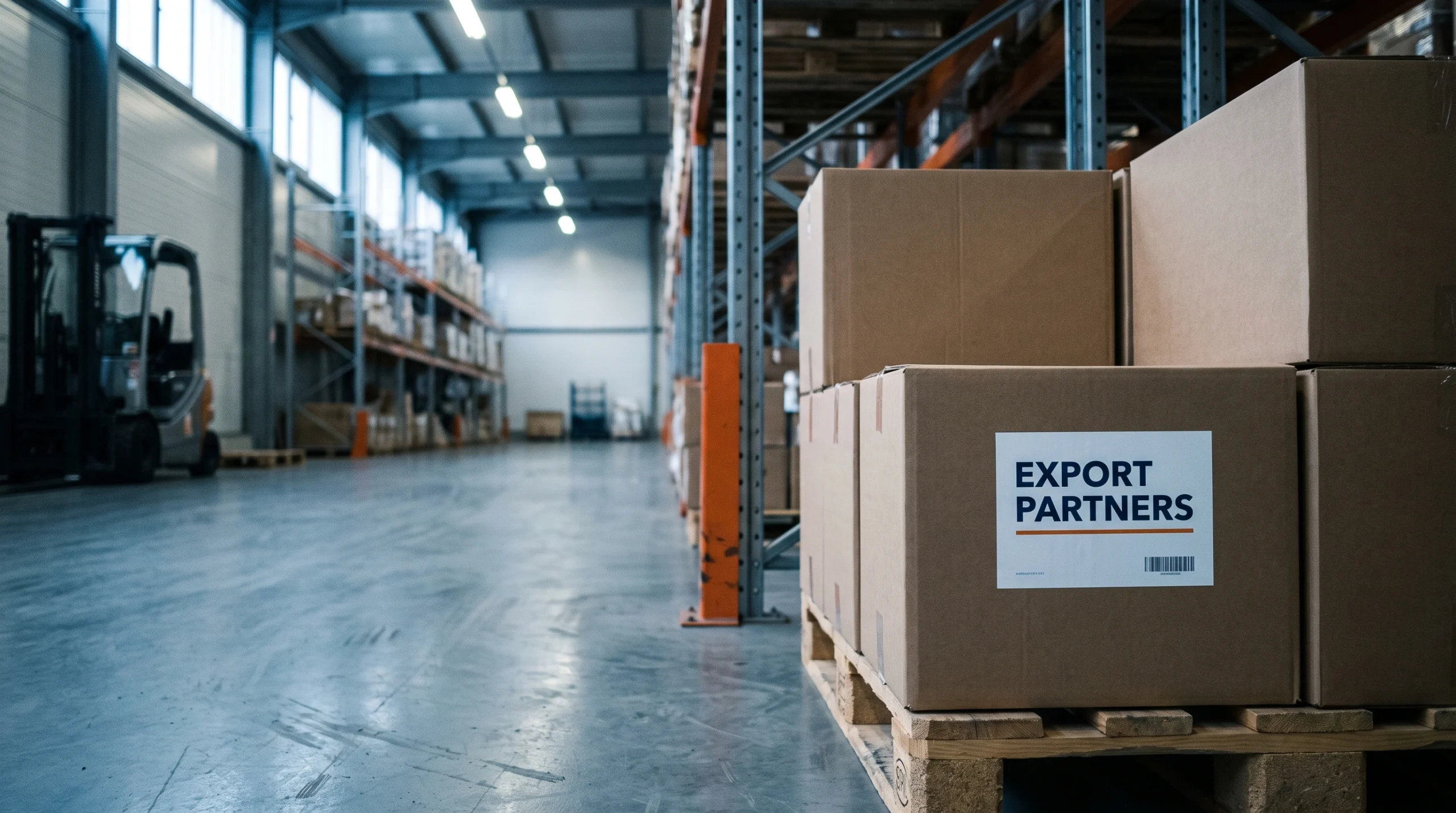
Pallets labeled Export Partners on racks in a customs bonded warehouse in Europe

Germany and the EU: EORI, import VAT and product compliance

For shipments to Europe, customs is not a single step; product regulations apply alongside the entry of goods. On the Amazon Germany route, we run these steps on one schedule.

EORI number

The registration needed to file declarations with EU customs. This is where it is decided who will act as importer.

Import VAT and tax registration

Import VAT paid at entry and VAT registration on the sales side are separate matters; if they are not planned together, cash flow can get tight.

LUCID and packaging registration

A mandatory registration for sellers shipping packaged products. It is not a single step but several, and sellers often assume they are done after the first one.

GPSR and responsible person

Products sold in the EU need contact details and a responsible person declaration; this also carries over to the listing side.

You can find the step-by-step overview in our article on selling on Amazon Germany, and the customs steps in the customs process in Germany article. For the timeline of rules now in force and coming into force, our fall 2026 roundup is kept up to date.

Frequently asked questions

What costs come up at customs?

Base customs duty (per the HTS rate), any additional duties that apply to your country of origin, the merchandise processing fee, customs broker fee, bond premium and freight. Air and express shipments do not incur the harbor maintenance fee. We provide an itemized calculation for your shipment along with our quote.

Can you help if we have no U.S. entity?

Yes. For companies without a U.S. legal entity, we can handle the importer registration and customs bond setup on the importer's behalf; shipments can move under a DDP model, with delivery inside the U.S.

Can I purchase the registration service only?

Yes. For companies importing through their own U.S. company, we handle the registration side only: CBP importer registration, FDA facility registration, US Agent designation and label compliance. We can also offer these as a package.

Who files the declaration?

A licensed U.S. customs broker files the declaration. For express shipments, the carrier can file through its own brokerage; for air cargo, a broker is appointed separately. We handle shipments on the air and express route.

How much does a customs bond cost?

For a continuous bond, the minimum is $50,000; if 10 percent of the duties, fees and taxes paid over the last twelve months is higher, that amount is used. For an FDA-regulated product, a single transaction bond is calculated at three times the declared value. The cost is not the bond amount itself but the premium paid to the surety company.

Is there such a thing as an FDA Certificate?

No, FDA does not issue certificates. What is required are system entries such as registration, label compliance, ingredient declaration and US Agent designation.

What documents does Amazon require?

FDA registration, US Agent information, label review, ingredient list and, for hazmat products, an MSDS file.

What is different for hazmat products?

The marketplace runs a separate review, logistics requires an MSDS, and customs requires a more detailed declaration. Transport falls under Department of Transportation regulations, not FDA.

Are shipments under $800 still duty-free?

No, the exemption was suspended on August 29, 2025. Additional duties depend on the country of origin and are added on top of the product's own customs duty, so rates quoted before that date may no longer apply.

Is FDA registration independent of customs?

They are two separate processes, but they are connected. FDA looks at the product itself, while customs handles trade control and duties; information missing in one can come up in the other.

What is needed on the Germany side?

An EORI number, import VAT and tax registration on the sales side, LUCID registration for packaging, and responsible person details under GPSR.

We can also offer this as a package

The customs side can be purchased on its own. If the product is FDA-regulated, registration and label compliance can run in the same package, on one schedule.

Free introductory callFDA Registration and US AgentService packages
Scroll to Top