Introduction to Amazon FBA private label selling
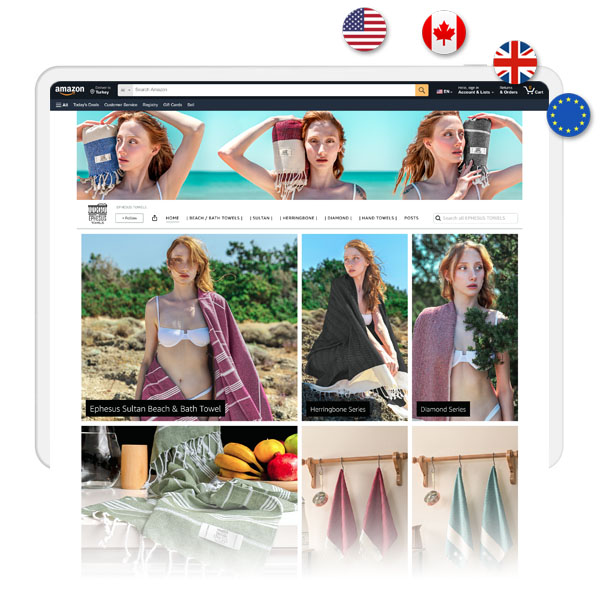
Amazon is no longer just a retail platform; it is a new showcase for manufacturers who want to build a brand and establish a lasting presence in global markets. With the Amazon Private Label model, manufacturers and entrepreneurs can offer their products to world markets under their own brands and take their first steps toward building a brand.
Amazon FBA private label selling is the most widely chosen form of this journey. In this process, the Amazon FBA (Fulfillment by Amazon) system handles logistics, shipping and customer service for the products, allowing the seller to focus on growing the brand. With the right strategy, a strong brand foundation and professional management, Amazon becomes more than a cross-border e-commerce channel; it becomes a platform for exporting brands.
1. Setup and Preparation
The first step of the Amazon private label service is preparing the technical and legal foundation. At this stage, an Amazon Seller Central account is opened, a U.S.-based company (LLC or Corporation) is registered, and Amazon Brand Registry is completed using the brand's trademark application serial number. Brand Registry protects all of your brand's product pages and allows you to file claims against unauthorized sellers. Once this is complete, your brand is ready to ship products to Amazon's FBA warehouses and start selling.
(Read our article on the Brand Attribution Dashboard and Referral Bonus for Amazon Brand Registry Sellers) >
2. Market and Product Analysis
The foundation of a successful Private Label brand is choosing the right product. Market research, competitor analysis, price positioning, customer reviews, profit margin calculations and keyword analysis are carried out at this stage. Customs compliance is also reviewed for the country where the product will be sold. FDA registrations for food, cosmetics or supplements shipped to the U.S., CFIA approvals for products sold in Canada, and CE or GMP certificates for the European market are planned at this stage. In Amazon's review processes, these documents can be critical for products to be accepted into the warehouse smoothly.
3. Product Images, A+ Content and SEO Optimization
The product page is the heart of selling on Amazon. Professional product photos, infographics, A+ content and a Storefront (brand store) can increase your brand's credibility and conversion rate. A+ pages explain product features more clearly and build trust by presenting your brand's story. In addition, product titles, descriptions and search terms are optimized for SEO. The goal is for your product to rank high for its target keywords within the Amazon FBA system.
4. Launch, Advertising and Traffic Management
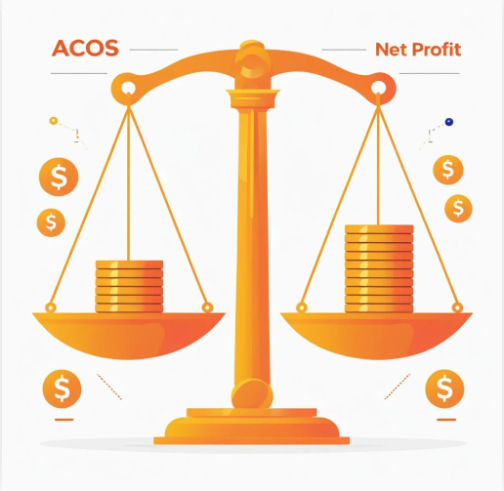
Once the product reaches Amazon's warehouses, the launch process begins. At this stage, Amazon PPC (Pay-Per-Click) campaigns are set up and optimized. Promotional product distribution, coupons and deals can help the product climb quickly in the algorithm. In addition, the Amazon Brand Referral Bonus Program offers brands a commission credit on sales they drive from outside Amazon. This can be a real advantage for brands that integrate social media and Google advertising into their Amazon sales strategy.
5. Training, Guidance and Mentoring Support
The Amazon Private Label process is not only about operations; it is also a knowledge transfer process. Throughout the service, brand representatives receive training in Amazon FBA operations management, advertising strategy, SEO analysis and brand optimization. Ongoing communication is maintained through Zoom, WhatsApp and other online tools. The goal is for the brand to build its own in-house expertise, not just sales.
6. Performance Tracking and Optimization
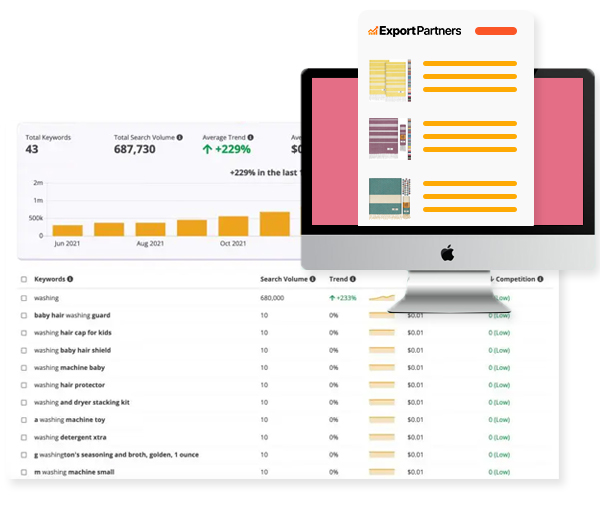
Private Label sales are dynamic. Sales performance, customer reviews, advertising data and ranking positions are analyzed regularly. Based on the data, product pricing, advertising budgets or page optimizations are adjusted. Because Amazon's algorithm changes constantly, this data-driven approach helps preserve a competitive edge.
7. Social Media, Influencer Partnerships and Brand Awareness
Making your brand visible outside Amazon has a direct effect on sales volume. Influencer partnerships on social media platforms bring natural traffic to the product page. Through the Amazon Brand Referral Bonus program, brands can also earn extra income from the sales they refer. Over time, this engagement can have a positive effect on customer reviews and sales rankings on Amazon.
8. Compliance and Brand Protection
For brands selling on Amazon, compliance management is critical to the brand's long-term success. Amazon's Report Infringement, Report a Violation and Transparency Program tools are used to help prevent counterfeit products. Export Partners manages brands' Amazon compliance processes, prepares the required documents and responds quickly to violations.
9. The Road to B2B Exports: Amazon as a Stepping Stone
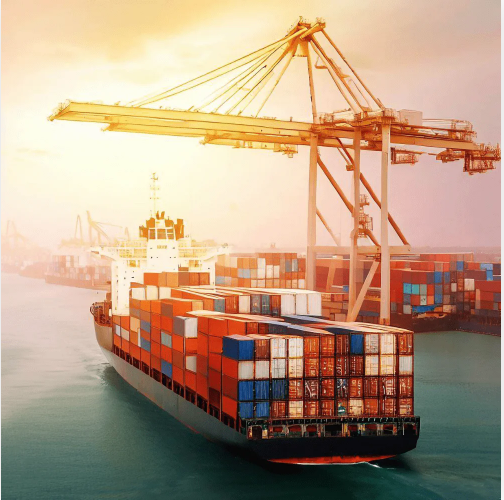
Amazon Private Label selling is a strong stepping stone not only for B2C but also for B2B exports. Brands with a successful sales history on Amazon tend to attract the attention of distributors and wholesalers abroad. A well-managed Private Label process is a modern, digital version of traditional exporting. Our article “Amazon Product Liability Insurance”, Now a Requirement covers a related topic.
10. The Export Partners Approach
Export Partners is a service company that helps manufacturers build their brands in global markets. Its Amazon Private Label service covers account setup, brand registration, product listing, advertising optimization, training, compliance management and digital marketing support. For food, cosmetics, electronics and medical products, it also guides manufacturers through certification processes such as FDA, CFIA, CE and GMP. The goal goes beyond selling on Amazon: it is to turn the brand into a lasting player in international trade.
Conclusion: A Brand Journey That Starts on Amazon
The Amazon Private Label model is one of the most effective ways for manufacturers to turn their production capacity into a global brand. With the right strategy, training and service support, brands can become visible not only on Amazon but worldwide. When Amazon FBA infrastructure is combined with Brand Registry protection, compliance management and digital marketing strategy, the steps taken today can turn into tomorrow's international B2B export opportunities.
Frequently Asked Questions (FAQ)
What is Amazon Private Label?
Private Label is a model in which you sell products under your own brand on the Amazon platform. You may manufacture the products yourself, or source them from a supplier and sell them under your brand. It offers significant advantages in brand ownership, price control and customer loyalty.
How are Amazon FBA and Private Label related?
Amazon FBA (Fulfillment by Amazon) stores your products in Amazon's fulfillment centers, ships orders and handles customer service. For Private Label brands, it reduces the operational workload and delivers a professional customer experience.
Is Brand Registry required on Amazon?
Not mandatory, but strongly recommended. Amazon Brand Registry helps you protect your brand rights, create A+ content and act against counterfeit sellers. A trademark application serial number filed with the USPTO, EUIPO or WIPO is enough to apply.
Which products need FDA, CE or CFIA documentation?
- FDA: required for food, cosmetics and dietary supplements sold in the U.S.
- CFIA: mandatory for food products exported to Canada.
- CE: required for products such as electronics, medical devices or toys sold in the European market.
Without these documents, Amazon FBA may not accept your products into its warehouses.
How are Amazon product listings and images prepared?
Product titles, descriptions, bullet points and search terms are optimized for SEO. A+ content and Storefront pages are built with professional photography and infographics. Strong visual design builds brand trust and can directly improve conversion rates.
Who manages Amazon PPC ads?
As part of the service, core advertising strategies are set up and optimized. Automatic and manual campaigns are launched to support sales during the launch period. A setup supported by external influencer traffic and the Brand Referral Bonus program tends to deliver more efficient results.
Can I drive sales from outside Amazon?
Yes. With Amazon's Brand Referral Bonus program, you earn a referral fee credit on sales you drive from external sources such as social media and Google Ads. This makes off-Amazon advertising more sustainable.
How is influencer marketing integrated?
Influencers increase product visibility on social media and send organic traffic to the Amazon product page. This traffic can drive conversions and also has a positive effect on the product page's ranking.
How do you deal with counterfeit sellers on Amazon?
If your trademark is registered, counterfeit or unauthorized sellers can be blocked with Amazon tools such as Report Infringement and the Transparency program. Export Partners provides compliance support for your brand in these processes, submits the required documents to Amazon and follows up on each case.
What support do I receive throughout the service?
Support covers account setup, product listings, advertising management, SEO, content creation, compliance management and training. Ongoing communication runs through WhatsApp, Zoom and e-mail.
Can Amazon Private Label lead to B2B export sales?
Yes. A brand with a solid sales history on Amazon can attract the attention of distributors abroad. This model is a digital version of traditional wholesale. Brand awareness built on Amazon can open doors to B2B sales.