
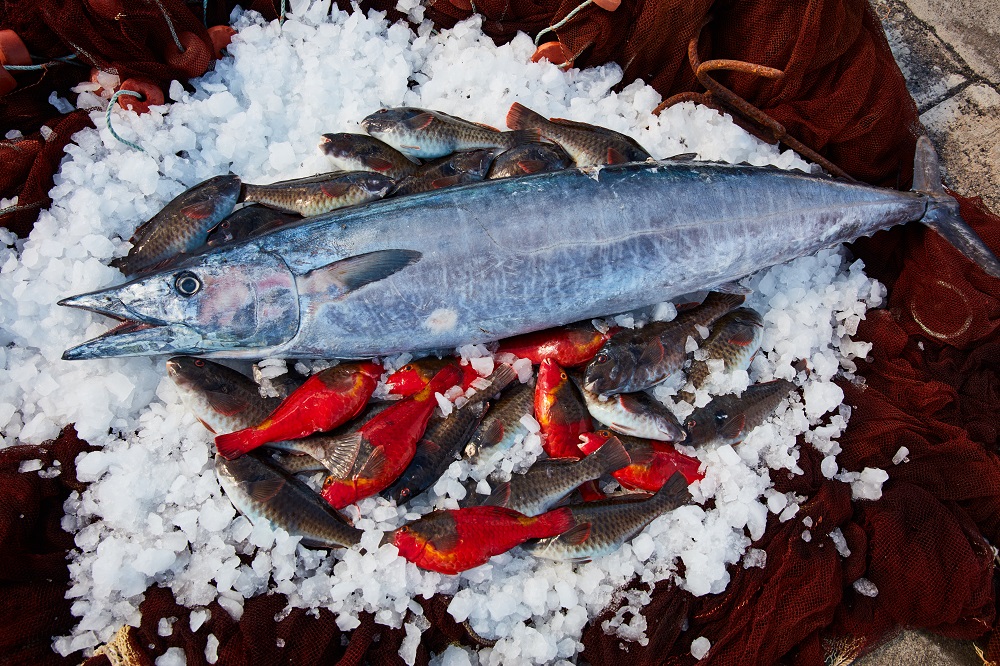
The FWS import/export license is one of the first things to check for companies shipping wildlife-related products to the U.S. For companies that want to export animal-origin products, fishery products, goods derived from wildlife or certain products covered by environmental protection rules to the U.S., one of the most important regulations is the Import/Export License (Import/Export License) issued by the U.S. Fish & Wildlife Service (FWS).
This license requires products entering the U.S. to meet not only commercial quality standards but also environmental, biodiversity and legal hunting/harvesting rules.
Why Does the FWS Import/Export License Matter?
- Legal requirement: Many products arriving at U.S. Customs (CBP) cannot enter without FWS clearance. Animal-derived products in particular (leather, fish, shellfish and similar) fall within this scope.
- CITES compliance: Under CITES, the international convention that regulates trade in endangered species, the U.S. requires importers and exporters to hold an FWS license.
- Lower export risk: Shipments from companies without an FWS license may be held at the port, may face penalties and, in some cases, may be seized.
Which Products Require an FWS License?
- Fish and seafood (both food and processed by-products)
- Animal hides, fur, feathers and goods made from them
- Certain products made from exotic woods and plants
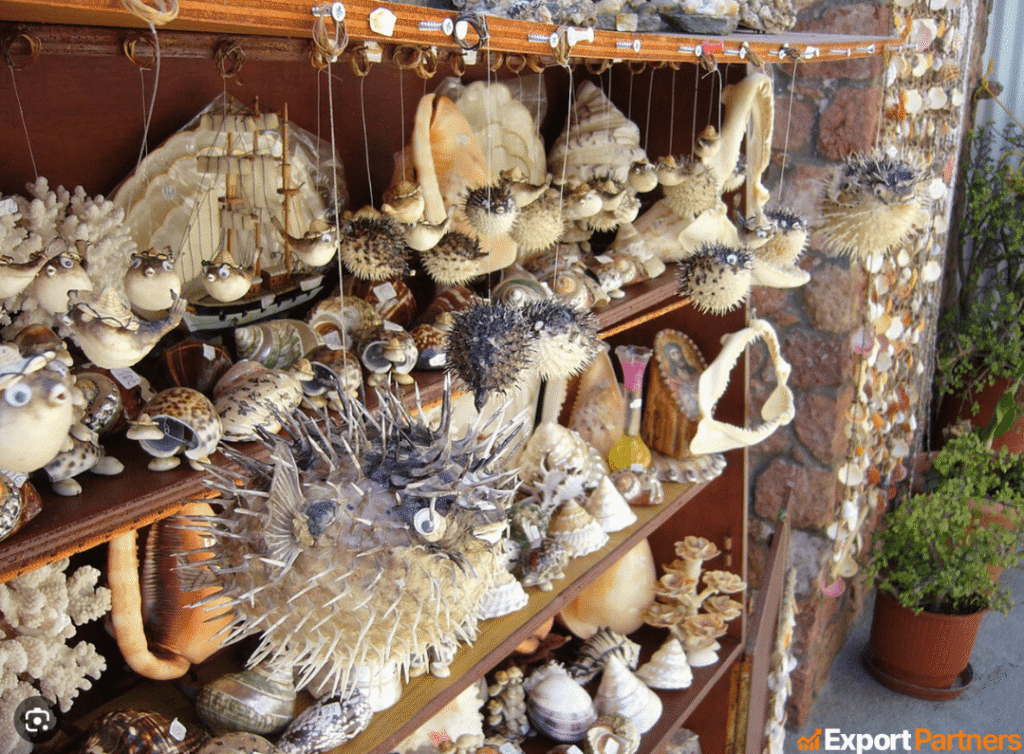
- Hunted and wild-harvested products (e.g. horn, shell, certain types of bone)
Note: Nuts, dried fruit, fruits, vegetables and standard agricultural products intended as food generally fall outside FWS scope. However, these products do require FDA registration and a customs entry.
How to Get an FWS Import/Export License
- Application: You apply online through the official FWS portal.
- License fee: The fee may vary by product type and transaction volume; it is best to confirm the current amount in the FWS fee schedule before applying.
- Approval process: FWS reviews your documents. If everything is in order, the license is issued.
- Validity: The license is generally valid for 1 year and needs to be renewed annually.
Key Points for FWS Declarations
Once you have an FWS license, you need to file a product declaration for each shipment. The declaration should include the product's scientific (Latin) name, country of origin, quantity and value. If detailed descriptions such as "crocodylus niloticus" (Nile crocodile skin) or "Salmo salar" (Atlantic salmon) are missing, your shipment may be held at the port. For this reason, using scientific names that meet FWS requirements on commercial invoices and packing lists is essential.
1. Definitions and Scope
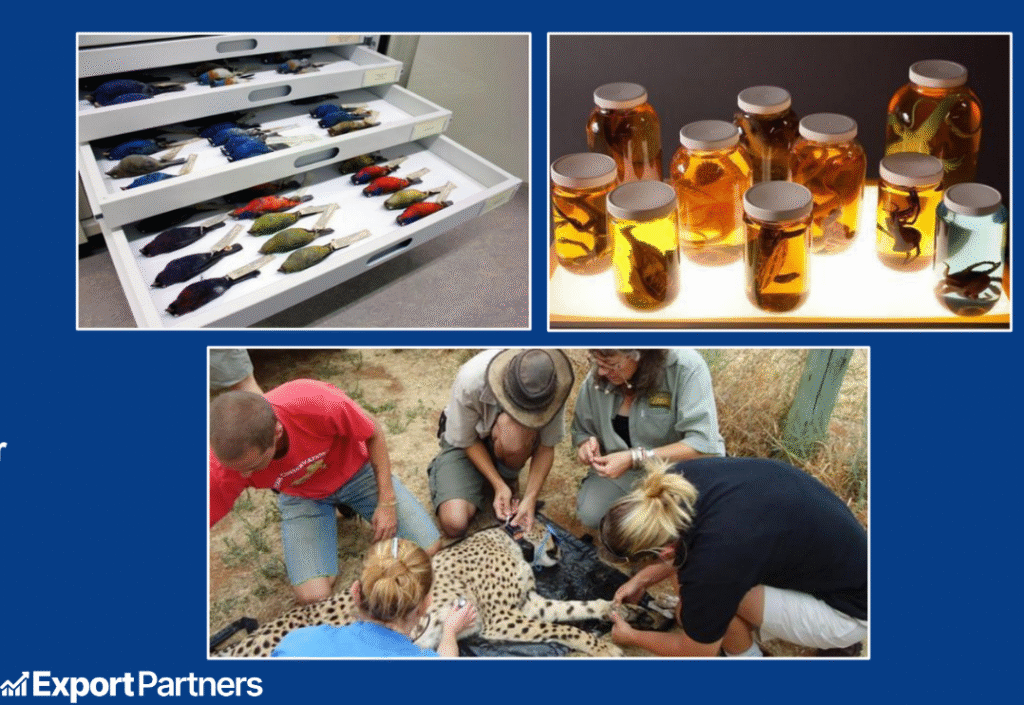
- Wildlife products: Any animal product, including tissue, eggs, fur, DNA, scales, skin and feathers, falls under FWS scope.
- Domestic animals: Domesticated animals such as cats, dogs, cattle, sheep, horses, goats and pigeons are not subject to FWS regulation (50 CFR 14.4).
2. Declaration Requirement, Form 3-177
- All wildlife products must be declared at the first port of entry.
- The product must be declared under its scientific (Latin) name.
- If the species is unknown, the product may be declared under a general name, but an updated form must be submitted within 180 days.
3. Electronic Declaration (eDecs)
- All declarations can be filed electronically through the eDecs system at www.fws.gov.
- With this method, FWS can see the shipment immediately, documents can be uploaded digitally and paper declarations are no longer required.
4. Ports of Entry
- Designated Ports (48-hour advance notice, more flexible hours): New York, Miami, Los Angeles, San Francisco, Chicago and others.
- Non-Designated Ports (72-hour advance notice): Detroit, Tampa, Buffalo, Blaine and others.
- If a non-designated port will be used, a Designated Port Exception Permit application is required.
5. Express Carriers
- FWS inspection points have been set for express carriers such as FedEx (Memphis, TN), UPS (Louisville, KY) and DHL (Erlanger, KY).
6. Penalties
- Incorrect or incomplete declarations may lead to seizure of the goods and significant fines.
A Simpler Path for Small Exporters
APHIS's LAWGS (Lacey Act Web Governance System) platform is actively used for small-volume exporters. The system makes things easier for small exporters who work with courier companies and lets them file declarations without dealing with the ACE (Automated Commercial Environment) system. This way, exporters sending small quantities of products to the U.S. can also complete their filings in line with the regulations.
Other registrations and declarations for exporting to the U.S.
- FDA Registration and U.S. Agent services (for food, cosmetics and supplements),
- U.S. Customs Registration and bond services,
- EPA & TSCA declarations (for chemicals and packaging products),
- USDA permits (for products of agricultural origin such as meat, eggs and dairy)
may also be needed. At Export Partners, we manage all of these processes from a single point; with our FDA services and customs services we help businesses move through U.S. market entry faster.
Current Status
- Digital Application Requirement: Applications for the FWS license are accepted only electronically.
- Risk-Based Controls: The U.S. takes importers' past records into account and may apply closer checks to higher-risk companies.
- Integrated System: FWS filings are now handled in integration with the CBP ACE system. This means the license is checked at the same time as the customs process.
Conclusion
For exporters planning to ship animal-origin products, seafood or goods subject to environmental regulations to the U.S., the FWS Import/Export License is a required document. Shipping without it may lead to financial losses and restrictions on future shipments.
The full sequence for pet products is covered in our article on exporting pet products to the U.S. We would be glad to support you with the FWS Import/Export License, FDA registration and customs management.
Last updated: October 4, 2026

