
What Is the Lacey Act?
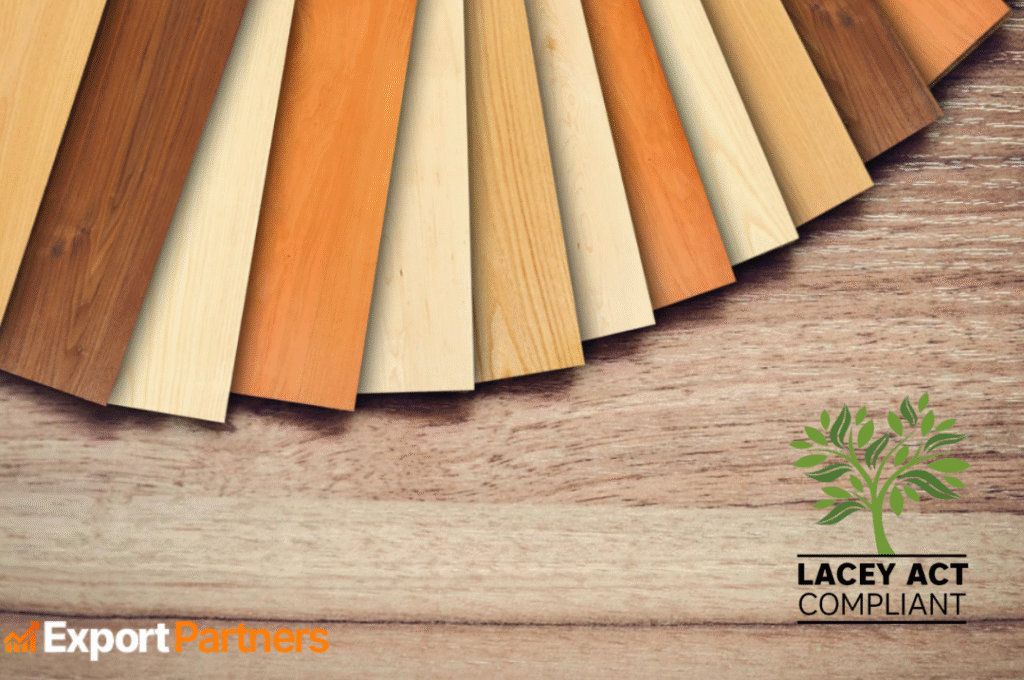
Lacey Act compliance is required for every manufacturer shipping furniture, flooring, kitchenware, decorative wood items or paper and cardboard packaging to the U.S.
For companies that want to export wood, furniture, paper, packaging or other plant-based products to the U.S., the Lacey Act is an important consideration. First enacted in 1900 and expanded in 2008, the law aims to prevent the import of illegally harvested plants and plant products. We cover a related topic in our article A New Era in B2B Sales: Finding Export Customers and Overseas Buyers, 2026 Guide (Apollo, Instantly, Clay).
What Exporters Should Know
- For products shipped to the U.S., the scientific name of the plant, country of harvest, quantity and value must be declared.
- Declarations are filed electronically through the APHIS system (ACE or LAWGS).
- Packaging materials (pallets, boxes) are generally exempt; however, if the product itself is wood or plant based, a declaration is required.
- Products with less than 5% plant content may be exempt below certain thresholds.
Which Agencies Enforce It?
- USDA APHIS: Collects declarations for plants and plant products.
- U.S. Fish & Wildlife Service: Oversees trade in wildlife and plant products.
- CBP (U.S. Customs): Checks declarations during the import process.
Why It Matters for Amazon Sellers
For exporters selling furniture, wooden home goods or products with packaging on Amazon, a Lacey Act declaration is required. A missing declaration may lead to the product being held at U.S. customs or to Amazon listings being deactivated. Our article Small-Parcel Exports Explained may also help.
Current Status
- The customs exemption for express courier shipments has been removed, and a missing declaration may result in penalties.
- APHIS encourages electronic declarations; paper filing is available only to low-volume importers.
Products Covered by the Lacey Act
- Furniture (tables, chairs, cabinets, coffee tables, etc.)
- Wood flooring and floor coverings
- Decorative wood products (plates, bowls, kitchenware)
- Paper and cardboard packaging
- MDF, plywood and laminated products. Our article Cross-Border E-Commerce: A Roadmap also covers this topic.
Manufacturers exporting these products to the U.S. should fully document the tree species, country of harvest and supply chain of their products.
Lacey Act Compliance, Step by Step
1. Product identification: determine the HS code and confirm whether the product is a wood or forest product.
2. Plant species and origin: clearly state the tree species used (for example oak, pine, maple) and the country of harvest.
3. Supply chain documents: keep harvest certificates, the invoice chain and forest certifications (FSC, PEFC).
4. APHIS eDec (Electronic Declaration): file the electronic declaration before shipping to the U.S.
5. Matching with the customs entry: the Lacey Act declaration is matched with the CBP customs system.
The Lacey Act on Amazon and Other E-Commerce Platforms
- Amazon may request a Lacey Act declaration before listing products in wood and forest product categories.
- Platforms such as Walmart and Wayfair have started applying a similar policy.
- Missing declaration → products may be removed from the platform.
For this reason, exporters shipping wood products to the U.S. should plan customs and Amazon compliance together.
Why Pay Attention to Lacey Act Compliance?
- Smooth customs clearance → A missing declaration can lead to the product being held at the port.
- Fines → Penalties of up to 250,000 USD may apply.
- Commercial credibility → Compliant manufacturers are often preferred by U.S. buyers.
- Selling on Amazon → Platforms increasingly require these documents for product listings.
Frequently Asked Questions (FAQ)
Is there a Lacey Act certificate?
There is no single certificate. The declaration is filed through the APHIS eDec system.
Which products fall under the Lacey Act?
Wood and tree-based products in general, including furniture, flooring, decorative items, and paper and cardboard packaging.
Is the Lacey Act required to sell on Amazon?
In many cases, yes. Amazon may ask for a Lacey Act Declaration to list wood or paper products.
Who files the Lacey Act declaration?
It is prepared by the importer or exporter and submitted to the U.S. customs (CBP) system.
What happens in case of non-compliance?
Products may be held at customs, significant fines may apply, and your trade record may be affected.
Professional Support
Export Partners supports you with the Lacey Act declaration, FDA and customs processes when exporting wood and forest products to the U.S.

